What Makes LED Recessed Lights Cost More or Less?
Pack size, brightness, controls, and installation needs shape recessed lighting cost. Compare cost per light and the features you'll use, then check whether your ceiling needs new wiring or canless fixtures.
On this page (8 sections)
- What affects recessed lighting cost?
- How should you choose a pack for recessed lighting cost?
- How do brightness and color affect recessed lighting cost?
- Is dimming worth adding to recessed lighting cost?
- Do canless wafers or retrofit lights cost less to install?
- What installation costs should you include?
- What mistakes can raise your recessed lighting cost?
- Which recessed lighting option fits your budget?
Pack size, brightness, controls, and installation needs shape recessed lighting cost. Compare cost per light and the features you'll use, then budget for any wiring or ceiling work.
A large pack may lower the cost per light, but only if your layout uses most of its fixtures. This guide compares three canless options and explains when their pack sizes, light output, and controls make sense.
For an overview of fixture styles and pack choices, see our guide to LED recessed lights.
What affects recessed lighting cost?
The biggest cost drivers are how many fixtures you need, what each light can do, and how much installation work your ceiling requires. A pack’s total cost is only one part of the project budget.
Start with the layout. Count the planned fixtures, then compare the pack cost divided by that number.
A low per-light cost does not help if you have to store unused lights or buy a second type to finish the room.
Features can also affect what you pay. Dimming, selectable color temperature, and higher light output may be useful, but they should match the room and your preferences.
Installation costs depend on whether the ceiling already has openings and wiring, whether new cable or switches are needed, and whether you hire an electrician.
How should you choose a pack for recessed lighting cost?
Choose the pack that covers your planned layout without leaving a large surplus. The 12-light Amico suits a smaller project, the 24-light Amico covers a broader room plan, and the 48-light Ensenior fits a large layout with dimming.
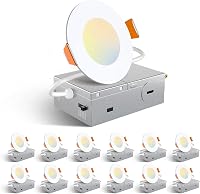
The Amico 12 Pack 6 Inch Canless Wafer gives you 12 fixtures, each producing 1050 lumens, with five selectable color temperatures from 2700K to 5000K. It’s a useful fit when you want a consistent set for a room or smaller project, and IC rating allows contact with ceiling insulation.
Choose this pack if you have counted close to 12 fixture locations and want a choice of warm to daylight color. Skip it if you need only one or two replacements, or if your layout calls for a different fixture size.
The Amico 24 Pack 6 Inch with Junction Box also produces 1050 lumens per light and offers five selectable color temperatures. It suits a whole-room plan or several connected spaces where a matching set matters.
This is the stronger fit when your count is near 24 and you want to set the color at the junction box. Skip the larger pack if your room needs far fewer fixtures, since unused lights can erase the value of a lower cost per light.
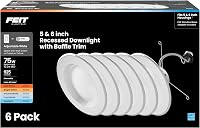
The Ensenior 48 Pack 6 Inch Dimmable produces 1200 lumens per fixture and supports dimming from 5% to 100%. It fits a large installation where you need many lights and expect to adjust brightness; confirm that your chosen dimmer is compatible.
Choose it for a broad project where both the quantity and dimming feature will be used. Skip it for a small room or a few replacements, where buying 48 fixtures is likely to create surplus.
Measure and plan before settling on a pack. Our guide to recessed lighting layout can help you estimate where fixtures belong and count them before you compare totals.
How do brightness and color affect recessed lighting cost?
Choose brightness for the room and fixture plan, then choose a color setting you’ll be comfortable living with. Higher output can help deliver a brighter layout, while selectable color gives you flexibility before installation.
The two Amico packs provide 1050 lumens per light. Ensenior’s 48-pack provides 1200 lumens per light, so it may suit a plan that needs more light from each fixture.
More lumens alone do not determine the number of lights your room needs; room size, ceiling height, placement, and other light sources matter too.
All three options let you choose among 2700K, 3000K, 3500K, 4000K, and 5000K. These settings range from warm white to daylight.
Selectable color is useful if you are still deciding how warm or cool the room should feel; if you already know your preference, it may be less important than fit, quantity, or dimming.
Check your proposed fixture count and brightness as a plan, not as separate decisions. Our guides to recessed light sizes and recessed lighting lumens explain how size and output factor into a room layout.
Is dimming worth adding to recessed lighting cost?
Dimming is worth considering when you want to change the light level for different tasks or times of day. If you expect to leave the lights at one level, the feature may not justify choosing a larger pack or changing a switch.
The Ensenior 48-pack supports smooth dimming from 5% to 100% and is described as compatible with most dimmers. Compatibility still depends on the dimmer you plan to use, so check that before buying and include any switch work in your project estimate.
For a kitchen, living room, or other space where adjustable light is useful, compare our guide to dimmable recessed lights. If you rarely adjust lighting, focus your budget on the right fixture count and ceiling fit instead.
Do canless wafers or retrofit lights cost less to install?
The better fit depends on what is already in your ceiling. Canless wafers use a junction box and spring clips, while retrofit fixtures are intended for existing recessed housings.
The Amico canless lights need at least 2 inches of ceiling space and a cutout of about 6.2 to 6.6 inches. That low profile can help when there is limited clearance, but it still requires cutting the correct opening and connecting the junction box.
If working cans are already installed, a retrofit option may let you reuse the housings. If there are no cans, compare the cost and work involved in adding housings with a canless plan.
Our guide to slim wafer lights explains how wafer fixtures differ from traditional cans.
What installation costs should you include?
Include the full work around the fixtures, not just the lights. Ceiling access, wiring, new openings, switches, and any repair work can change the project total.
Before cutting, confirm the hole size and available clearance for the specific fixture. Mark joists and other obstacles, and plan the layout so the openings land where wiring and clips can be reached.
Electrical work needs care. If you’re unsure about wiring or local requirements, use a qualified electrician and ask for an estimate that covers labor, switches, wiring, and ceiling repair as needed.
For a parts checklist, see what comes in a recessed lighting kit.
What mistakes can raise your recessed lighting cost?
The most avoidable expense is buying a pack or fixture that does not match the room plan. A few checks before ordering can prevent surplus, incompatible controls, and extra ceiling work.
- Choosing by pack total alone: Divide by the number of lights, then compare that figure with the quantity you’ll actually use.
- Buying more fixtures than the layout needs: Count locations first, especially before choosing a 24- or 48-light pack.
- Ignoring dimmer compatibility: Confirm the planned switch works with the dimmable fixture before installation.
- Cutting before checking clearance and hole size: Verify the fixture’s requirements and check for joists or wiring in the intended locations.
- Paying for features you won’t use: Selectable color and dimming are useful only when they solve a real need.
- Treating damp-rated as waterproof: Damp-rated lights may suit humid areas, but they should not face direct water spray or standing water.
If your main question is which combination of size, pack, color, and controls fits your home, use our guide to choosing recessed lighting.
Which recessed lighting option fits your budget?
Pick the 12-pack for a smaller project, the 24-pack for a wider room plan, and the 48-pack when a large layout needs dimming and higher output. Then confirm the ceiling fit and include any electrical work before comparing the final cost.
Choose the Amico 12-pack when your count is near 12 and color flexibility matters. Pick the 24-pack when you need more matching fixtures.
Select Ensenior’s 48-pack only when the quantity, 1200-lumen output, and dimming suit the plan. The best recessed lighting cost is the one that covers the layout and useful features without leaving you with a large unused pack or extra installation work.
Frequently asked questions
What affects the cost of recessed lighting?
Pack size, light output, dimming, selectable color temperatures, and installation needs all affect the total. Compare cost per light as well as the features you need, and include any wiring or ceiling work in your project budget.
Are canless recessed lights cheaper to install?
Canless lights may suit ceilings without existing recessed cans because their slim fixtures use a junction box and spring clips. The project still needs a correctly sized ceiling hole and safe wiring, so installation cost depends on access, wiring, and whether you hire an electrician.
Do more lumens make recessed lights cost more?
Higher light output can be one factor in a light's cost, but it doesn't determine the total by itself. Compare lumens, wattage, pack size, dimming, and color options together, then choose the output that fits the room and fixture layout.
Is a large pack of recessed lights a better value?
A larger pack can lower the cost per light when you need enough fixtures for a whole room or several rooms. It may be poor value if you need only a few, so compare pack quantities and make sure the lights fit your ceiling and plan.