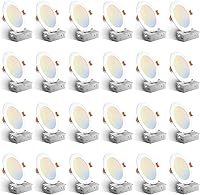
What Comes in a Recessed Lighting Kit?
A recessed lighting kit includes a light and the parts needed to connect and secure it. Retrofit kits for existing cans may use an E26 adapter and springs, while canless kits may include a junction box and spring clips.
On this page (9 sections)
- What comes in a recessed lighting kit?
- How is a retrofit kit different from a canless kit?
- What do the main recessed lighting kit parts do?
- What else can a recessed lighting kit include?
- How do you choose a recessed lighting kit for your ceiling?
- Which recessed lighting kit suits each project?
- What should you check before installing a recessed lighting kit?
- How do you care for recessed lighting after installation?
- Which recessed lighting kit should you choose?
A recessed lighting kit includes a light and the parts needed to connect and secure it. Retrofit kits for existing cans may use an E26 adapter and springs, while canless kits may include a junction box and spring clips.
The word “kit” can describe different ceiling setups. Identify whether you have a recessed can, then match the light, connector, and mounting parts to that setup before comparing color options or pack size.
What comes in a recessed lighting kit?
Most kits include a light plus connection and mounting parts. The exact parts depend on whether the fixture fits inside an existing can or mounts through a ceiling cutout.
A retrofit kit may include an LED downlight, an E26 screw base adapter, and torsion springs. The adapter connects the light to a compatible socket in the can, and the springs hold the fixture in place.
A canless kit may include a light, junction box, wiring connector, and spring clips. The junction box connects to the house wiring, while the clips secure the light at the ceiling opening.
Some kits include a cutout template, color selector, or instruction manual. Those extras can make setup easier, but they don't tell you whether the fixture fits your housing or ceiling space.
How is a retrofit kit different from a canless kit?
A retrofit kit uses an existing recessed can, while a canless kit connects through a junction box and mounts in a ceiling cutout. Choose the type that matches your current ceiling and planned work.
With a retrofit, you typically remove the old bulb and trim, connect the adapter to the socket, and secure the new light in the can. Compatibility still matters because housing size and attachment styles can vary.
A canless light has no large recessed can around it. Its junction box connects to the wiring, and spring clips hold the fixture at the cutout.
For a broader look at fixture styles, see LED recessed lights and their common types. If your project calls for a low-profile fixture, compare slim wafer lights with retrofit lights before choosing.
What do the main recessed lighting kit parts do?
The adapter, junction box, springs, and trim each have a separate job. Knowing what they do makes it easier to spot a mismatch before installation.
Does an adapter come with a recessed lighting kit?
An E26 adapter connects a retrofit light to a compatible socket in an existing can. One end screws into the socket, and the light connects to the other end as directed by its instructions.
The Feit Electric 5/6 Inch Retrofit Kit includes an E26 screw base adapter and adjustable torsion springs. It fits most 5 in and 6 in housings, so check the size and attachment method of your existing can before buying.
What does a recessed lighting kit junction box do?
A junction box holds the wiring connections for a canless fixture. It connects to the house wiring before the light is secured in its ceiling opening.
The Amico 24 Pack 6 Inch with Junction Box is a canless model for a ceiling cutout. Its instructions describe using a cutout template, connecting the junction box to the cable, and securing the light with spring clips.
Learn more about what a junction box does in recessed lighting. A retrofit kit that uses an existing can may not need a new junction box in the package.
What do recessed lighting kit springs and clips hold?
Springs or clips hold the fixture against the can or ceiling. Use the mounting hardware designed for that specific fixture and opening.
Some retrofit lights use torsion springs that press against the inside of a can. Canless lights may use spring clips that grip the ceiling around a cutout.
Two lights with the same nominal size may still use different attachment parts. Check the fixture instructions and inspect the existing housing or cutout before removing anything.
What else can a recessed lighting kit include?
A kit may include connectors, a color selector, a cutout template, or an E26 base. These parts affect setup and everyday choices, so consider them along with fit.
The Amico 24 Pack 5/6 Inch Retrofit includes an E26 base, lights, springs, and a TP24 connector. It offers 5 selectable color temperatures and is designed for compatible cans.
The Ensenior 12 Pack 5/6 Inch Retrofit 1000LM has a side button for selecting among 5 color temperatures. Its included components list an instruction manual, so check the installation requirements before starting and don't assume additional connectors or tools are included.
If you're deciding between an integrated LED fixture and a separate bulb arrangement, read what integrated LED recessed lighting means. The fixture design determines how it connects and whether you can replace a separate bulb later.
How do you choose a recessed lighting kit for your ceiling?
Choose by ceiling setup first, then match size, connector, mounting method, and light features. This order narrows the options before you choose a pack.
For an existing can, check its diameter, socket type, and attachment method. A retrofit model labeled 5/6 in may fit many standard housings, but measure your can and confirm the instructions match its socket and mounting hardware.
For a canless installation, check the cutout size and the space above the ceiling for the junction box. The Amico junction-box model calls for a 6.2–6.5 in cutout, with 6.25 in advised, and needs at least 2 in of ceiling space.
Next, decide whether adjustable color temperature or dimming matters in the room. These options vary by model, and dimmable fixtures need a compatible dimmer.
The Amico 24 pack retrofit is compatible with most dimmers except smart dimmers, while the Ensenior and Feit options also offer selectable color temperatures.
Then estimate how many lights the project needs. A 6 pack may suit a small room or partial replacement, while a 12 or 24 pack can cover a larger coordinated project.
Count openings before buying, and allow for a spare only if it fits your budget and storage plans.
Our guide to choosing recessed lighting by size, pack, color, and dimming walks through those decisions. For kitchen projects, see recessed lighting options for kitchens to think through room use and fixture placement.
Which recessed lighting kit suits each project?
The right kit depends on whether you are reusing cans, installing canless lights, or buying a coordinated batch. Pick the format that matches the ceiling work and the amount of coverage you need.
Choose the Feit kit if you want a retrofit fixture for compatible 5 in or 6 in cans and value a high color rendering index. Its 90+ CRI and 5 color settings make it a fit for spaces where accurate color and adjustable white tones matter.
The Amico retrofit 24 pack suits larger projects with existing cans when its E26 base, springs, and TP24 connector match the setup. Skip that pack if you only need a few lights or your ceiling has no compatible cans.
Choose the Amico junction-box 24 pack for a canless installation where the cutout and ceiling space meet its requirements. Skip it if you want a simple bulb-and-trim replacement inside an existing can.
The Ensenior 12 pack suits a medium-size retrofit project where you want a side-button color selector and dimming. It is less convenient if you need only one fixture or prefer to avoid selecting the color setting on each light.
What should you check before installing a recessed lighting kit?
Confirm the parts, wiring method, ceiling space, and instructions before you begin. If the fixture setup doesn't match the ceiling, stop and get qualified help.
Turn off power at the breaker before working on the light. Don't rely only on the wall switch, and don't handle wiring if you can't verify that the circuit is off.
For a retrofit, remove the existing bulb and trim as directed, check the socket and housing, and use the included adapter and springs as instructed. For a canless fixture, mark and cut only the required opening, connect the junction box as directed, then secure the light with its clips.
Check the fixture's insulation and moisture requirements. For example, the Amico junction-box model is damp-rated for locations such as bathrooms and basements, but it should not be placed where direct water spray or standing water reaches it.
A common mistake is assuming a shared size label guarantees a fit. Another is buying a canless fixture for an existing-can swap, or choosing a retrofit kit when the ceiling has no can or compatible socket.
How do you care for recessed lighting after installation?
Keep the trim clean and check the light's instructions before maintenance. Safe care starts with turning the power off and letting the fixture cool.
Dust the visible trim with a soft, dry cloth. Avoid spraying cleaner into the fixture or pulling on the trim, springs, or wiring while cleaning.
If a light flickers or stops working, check the dimmer compatibility and fixture connections only if you can do so safely. For wiring issues or an uncertain installation, contact a qualified electrician instead of repeatedly removing the fixture.
Which recessed lighting kit should you choose?
For an existing can, choose a retrofit kit with a compatible socket adapter and mounting hardware. Pick the Feit option for color accuracy, the Ensenior pack for a 12-light project with a side selector, or the Amico retrofit pack when its connectors suit a larger batch.
For a new canless opening, choose a junction-box kit only after confirming the cutout and ceiling clearance. Start with the ceiling type, then compare light controls and pack size; how to choose recessed lighting can help you finish that plan.
Frequently asked questions
What usually comes in a recessed lighting kit?
A kit may include an LED light, trim, an adapter or connector, and mounting hardware. Retrofit kits for existing cans may use an E26 screw base adapter and springs; canless kits may include a junction box and spring clips.
Check the parts against your ceiling and wiring before you start.
Do recessed light kits include bulbs?
Some recessed light kits have an integrated LED, so they don't use a separate replaceable bulb. Retrofit models may include an E26 adapter that connects the fixture to a socket in an existing can.
Check whether your housing has a compatible socket and follow the fixture instructions.
Is a junction box included with recessed lights?
Some canless recessed light kits include a junction box, while retrofit kits may connect to an existing can with an adapter. Check whether your ceiling has an existing housing and whether the new fixture is designed for it.
Can you install a recessed lighting kit yourself?
Some retrofit kits are designed to connect to an existing can with an adapter, while canless kits may need a ceiling cutout and a wired junction box. Turn off power at the breaker and follow the instructions.
If you can't confirm the wiring or installation method, contact a qualified electrician.