Are Can Lights and Recessed Lights the Same?
Can lights are recessed lights with a housing; recessed lights also include canless designs. For can lights vs recessed lights, choose based on the ceiling cavity, existing fixture, and wiring.
On this page (8 sections)
- Are can lights and recessed lights the same?
- How do can lights and canless lights differ?
- Which type is easier to install in an existing ceiling?
- Who should choose can lights?
- Who should choose canless wafer lights?
- How should you set up a replacement light?
- What mistakes should you avoid?
- How do you choose between can lights and recessed lights?
Can lights are recessed lights with a housing; recessed lights also include canless designs. For can lights vs recessed lights, your choice depends on the fixture above the ceiling, the room’s available depth, and the wiring arrangement.
People often use “can light” and “recessed light” to mean the same thing. The useful distinction is the construction: a can light has a housing above the ceiling, while canless models use a slim panel and a separate junction box.
Are can lights and recessed lights the same?
A can light is one kind of recessed light, but not every recessed light has a can. “Recessed” describes how the fixture sits in the ceiling; “can” describes the housing installed above it.
A traditional setup has a housing above the drywall and a trim or light module visible from the room. A canless fixture puts a thin panel in the ceiling opening and connects it to a junction box.
Both styles sit mostly flush with the ceiling and direct light down. For an overview of fixture styles, sizes, and pack options, see our guide to LED recessed lights.
What does “can light” mean?
A can light has a recessed housing, often a round metal enclosure fitted between ceiling framing. The visible trim covers the opening and shapes the light.
Older homes may have housings that take replaceable bulbs, while newer housings may be built for LED modules. The housing’s size, socket, and design affect which trims or retrofit lights will fit.
What does “recessed light” mean?
A recessed light sits partly or fully inside the ceiling instead of hanging below it. The term covers traditional can fixtures as well as canless styles.
That broad category can make product names confusing. Check whether a light needs a compatible existing housing or includes a junction box and spring clips for a canless installation.
How do can lights and canless lights differ?
Can lights use a housing; canless lights use a slim panel and separate junction box. That affects ceiling depth, wiring, and whether you can reuse the existing opening.
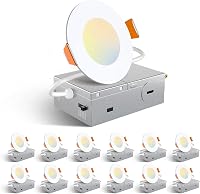
A canless wafer can suit a shallow ceiling cavity because the panel is thin. The Amico 12 Pack 6 Inch Canless Wafer needs as little as 2 inches of ceiling space and includes a junction box.
It is damp-rated for areas such as bathrooms, basements, and covered outdoor spaces. Keep it away from direct water spray and standing water.
A can fixture may be the easier choice when a compatible housing is already installed and in good condition. Check the housing type and measurements before choosing a retrofit trim, since a “5/6 inch” label does not guarantee that every trim will fit every can.
For more on slim panels, read what slim wafer lights are. For a direct comparison of wafer and can styles, see wafer lights vs can lights.
Which type is easier to install in an existing ceiling?
A retrofit light is usually the simpler match when you already have a compatible can. A canless fixture may suit a shallow cavity or a ceiling without a usable housing, but it needs a suitable opening and junction box connection.
A retrofit can replace the visible trim and light source while reusing the housing. HALO’s LT trim is designed for most existing 5- and 6-inch housings, offers five selectable color temperatures, and dims to 10% with a compatible 120V dimmer.
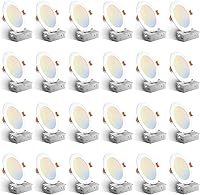
The Amico 24 Pack 5/6 Inch Retrofit uses a universal E26 base. It has five selectable color temperatures and dims from 10% to 100%, but it is not compatible with smart dimmers.
Before buying, confirm the housing diameter, socket or connector, ceiling clearance, and location rating. Our guide to recessed light sizes explains common diameter labels and why measuring the opening matters.
Who should choose can lights?
Choose a can light when a compatible housing is already in place or when you want a fixture designed for that housing. This is a practical fit for replacing an older trim or light module without changing the full ceiling setup.
A retrofit can also keep the work focused on the visible fixture parts, provided the housing is sound and compatible. HALO’s retrofit trim suits that kind of upgrade, including rooms where selectable color temperature or dimming is useful.
Skip a can based retrofit if you cannot identify the housing or confirm the socket, diameter, and clearance. A new trim that does not match the housing may not install correctly, and a damaged or poorly placed housing can call for a different solution.
The main tradeoff is space. A can occupies room above the ceiling, so it may be a poor fit where joists, insulation, or other obstacles leave too little clearance.
Who should choose canless wafer lights?
Choose a canless wafer when the ceiling cavity is shallow and you can place its junction box safely. Its thin panel can solve a space problem that makes a full housing impractical.
The Amico wafer is a useful option for remodels or new ceiling work where the available depth is limited. Its five color settings let you select the light tone at the junction box, so decide on the setting before closing up access.
Skip canless lights if you cannot make the required opening or provide a safe place for the junction box. “Canless” does not mean no wiring, no ceiling cutout, or no installation planning.
For damp rooms, check the fixture’s location rating and keep it within those limits. Damp-rated does not mean suitable for direct water spray.
How should you set up a replacement light?
Match the new fixture to the ceiling opening and electrical setup before cutting or connecting anything. Measure the opening, check the available depth, and read the installation instructions for the specific light.
For an existing can, identify its diameter and socket or connector, then check compatibility guidance for the replacement. A retrofit product can have a simple base yet still require a suitable housing.
For a canless light, compare the cutout size and junction box requirements with the space above the ceiling. The Amico wafer recommends a cutout between 6.2 and 6.6 inches, with 6 1/4 inches advised, so mark carefully before cutting.
Turn off power at the breaker before electrical work, and follow local electrical requirements and the fixture instructions. If the wiring, box placement, or circuit is unclear, have a qualified electrician assess it.
What mistakes should you avoid?
The most common mistake is buying by the diameter label alone. A stated 5- or 6-inch size does not confirm that a retrofit will fit a particular housing or that a canless panel matches the opening.
Also check the dimmer before choosing a dimmable model. HALO specifies a compatible 120V dimmer, while the Amico 24 Pack retrofit excludes smart dimmers; confirm your controls meet the fixture’s requirements.
Do not assume that all recessed lights suit wet locations. Check whether the specific fixture is rated for the room and avoid using a damp-rated model where water can hit it directly.
Finally, plan the layout and light color before installation. Set selectable color switches while they are accessible, and use a consistent color temperature across fixtures in the same area unless you want separate zones to look different.
How do you choose between can lights and recessed lights?
For can lights vs recessed lights, choose a retrofit can when a compatible housing is sound; choose a canless wafer when shallow ceiling space makes a housing impractical. Then confirm the cutout, wiring, location rating, and dimmer match.
A retrofit is the more direct path for an existing, compatible can. A wafer is the better candidate for a shallow cavity or a new opening when its junction box can be installed properly.
If neither setup fits the ceiling or wiring, pause before buying and get the installation requirements checked. For rooms where a fixture can sit below the ceiling instead, compare recessed and surface mount lights before settling on a style.
Frequently asked questions
Are can lights the same as recessed lights?
Can lights are one type of recessed light. The term refers to the metal housing installed above the ceiling.
Recessed lighting also includes canless designs that use a thin light panel and a junction box.
Both sit in a ceiling opening and direct light down.
What is the difference between can lights and canless lights?
Can lights use a housing above the ceiling, while canless lights use a slim panel connected to a separate junction box. Canless models need less ceiling depth, but the right choice depends on the ceiling space, wiring, and whether you are replacing an existing fixture.
Can you replace can lights with canless lights?
Often, but first check the ceiling opening, available space, wiring, and the new light's installation instructions. A canless light may need a different cutout or a junction box connection.
If you are unsure about electrical work, ask a qualified electrician to check the setup.
Are wafer lights and recessed lights the same?
Wafer lights are a type of canless recessed light. Their thin LED panel sits nearly flush with the ceiling, with a junction box above it.
They can fit where a full housing will not, but they still need a suitable opening and a safe wiring connection.